Termite : Biology, Risks and Professional Control Strategy


For PestONil India Pvt Ltd, understanding termite biology is essential for selecting the right treatment, explaining risks to customers, and developing scientifically accurate website content.
Termite control is not simply about killing visible termites. The real objective is to identify the termite species or group, locate the source of infestation, interrupt colony activity, protect the structure and monitor for recurrence.
1. Understanding termite biology
For More Details on Termite Biology Click here 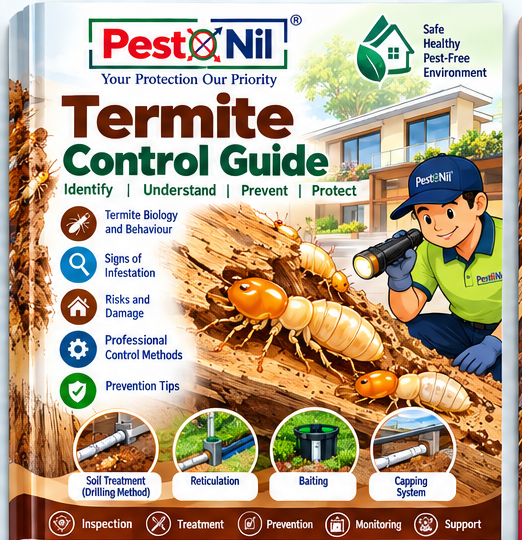
Scan for Free Inspection Today |

Cockroach, Ant and Crawling Pest Management
Technical guide for PestONil India Pvt Ltd | Entomology, Integrated Pest Management (IPM) and professional field practices
For PestONil, effective crawling-pest management should combine correct species identification, harbourage inspection, targeted baiting, appropriate residual treatments, insect growth regulators (IGRs), sanitation and ongoing monitoring.
The objective is not merely to kill visible insects. It is to identify where they live, how they enter, what resources sustain them and why previous treatments may have failed.
1. Species identification and harbourage inspection
Different crawling pests have different nesting habits, feeding preferences, reproduction rates and treatment requirements. Correct identification determines the control strategy.
A. Cockroach management


For More details on Cockroaches Biology click link 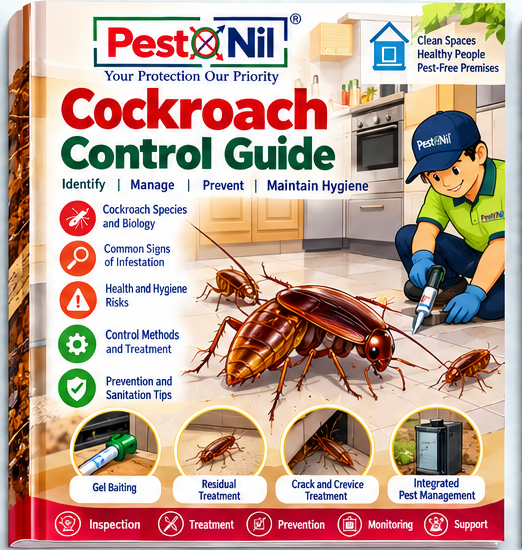
Scan for Free Inspection Today |
Rat Biology, Health Risks and Integrated Rat Control Strategy
For PestONil, effective rat management should be based on rodent identification, inspection, exclusion, sanitation, monitoring and targeted control. Killing rats alone rarely solves an infestation permanently if food sources, nesting areas and entry points remain available.
1. Rat biology and behaviour :
| |


For More details on Rat Biology click link 
Scan for Free Inspection Today |
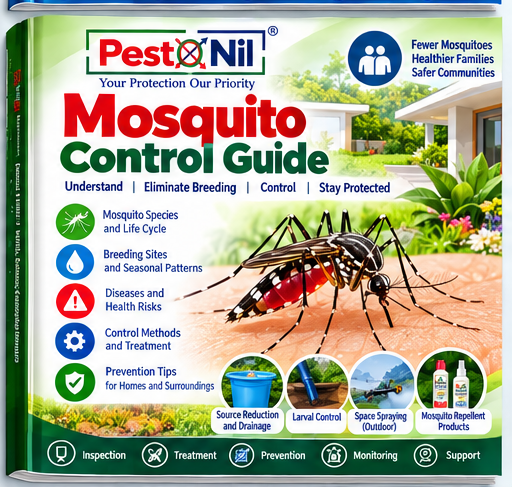
Mosquito Biology, Health Risks and Integrated Mosquito Control Strategy
For PestONil, effective mosquito management should focus on identifying the mosquito species, eliminating breeding sources, controlling immature stages, reducing adult mosquito populations and preventing bites.
Mosquito control is not simply about spraying adult mosquitoes. The most effective long-term approach is to interrupt their life cycle and prevent breeding.
- Mosquito biology